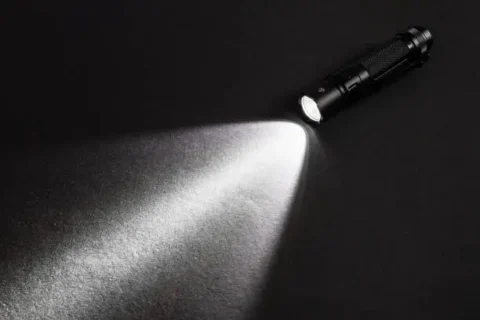
A high-quality flashlight is an investment—and with proper maintenance and storage, it can serve you reliably for years. Many users overlook routine care, leading to premature wear, faded performance, or even permanent damage. Whether you own an EDC flashlight, outdoor adventure model, or emergency light, simple daily upkeep and smart storage habits can preserve its brightness, durability, and battery life. This guide breaks down step-by-step maintenance routines, long-term storage tips, and material-specific care to keep your flashlight in top condition, no matter how often you use it.
Maintenance isn’t just about fixing problems—it’s about preventing them. By spending a few minutes regularly cleaning, inspecting, and caring for your flashlight, you’ll avoid common issues like corroded contacts, worn seals, or dimmed LEDs. And when storing it for months (e.g., off-season outdoor gear), proper storage ensures it’s ready to use the moment you need it.
Main Image: Flashlight Maintenance & Storage Guide
(Image Description: Practical, lifestyle-driven design. Center shows a clean, well-maintained flashlight next to maintenance tools (cloth, cotton swab, silicone lubricant). Surrounding images: cleaning the flashlight body, storing it in a dry case, and inspecting rubber seals. Bottom text: “Preserve Your Flashlight’s Performance”)
Part 1: Daily & Weekly Maintenance Routines
Routine care takes just a few minutes and is key to keeping your flashlight working like new. Adjust the frequency based on how often you use it—EDC flashlights need weekly checks, while occasional-use models can be maintained monthly.
1. Clean the Flashlight Body & Lens
Dirt, dust, and grime not only look unsightly but can damage the flashlight’s finish and reduce light output.
- Tools Needed: Microfiber cloth, soft-bristled brush (e.g., toothbrush), mild soap (optional).
- Step-by-Step:
- Wipe the body: Use a dry microfiber cloth to wipe down the flashlight body, focusing on non-slip textures and crevices where dirt builds up. For tough grime (e.g., mud from hiking), dampen the cloth with warm water and a drop of mild soap—avoid harsh cleaners (bleach, ammonia) that damage anodized finishes.
- Clean the lens: The lens is critical for brightness—use a dry microfiber cloth to gently wipe away smudges, fingerprints, or dust. For stubborn stains, use a lens cleaning wipe (same as for glasses). Never use paper towels or abrasive materials (they scratch the lens).
- Dry thoroughly: Ensure the flashlight is completely dry before use or storage, especially around the battery compartment and charging port.
2. Inspect & Clean Battery Contacts
Dirty or corroded contacts are the #1 cause of dim light or failure to turn on—regular cleaning prevents this.
- Tools Needed: Cotton swabs, rubbing alcohol, vinegar (for corrosion).
- Step-by-Step:
- Remove the battery: Always take out the battery before cleaning to avoid short circuits.
- Wipe contacts: Dip a cotton swab in rubbing alcohol and gently clean the battery terminals and the contacts inside the battery compartment. This removes dirt and prevents oxidation.
- Treat corrosion: If you see white/green buildup (common with alkaline batteries), dip the swab in vinegar or lemon juice to scrub it away. Rinse with a damp cloth and dry thoroughly—corrosion left unchecked can eat away at metal contacts.
3. Check Seals & Water Resistance
Rubber gaskets (seals) keep water and dust out—worn seals compromise water resistance, leading to internal damage.
- What to Do:
- Inspect gaskets: Locate the rubber gaskets around the battery compartment, tail cap, and charging port. Check for cracks, tears, or dirt buildup—even small damage can cause leaks.
- Clean gaskets: Use a dry cotton swab to wipe away dirt from the gasket grooves. For sticky gaskets, apply a tiny amount of silicone lubricant (avoids drying and cracking).
- Replace if needed: If gaskets are damaged, order replacement parts from the manufacturer (e.g., Poslanilight’s official parts store). Never use a flashlight with broken seals in wet conditions.
Image: Flashlight Daily Maintenance Steps
(Image Description: 4-grid layout showing maintenance steps: Wiping the flashlight body with a microfiber cloth, cleaning the lens, scrubbing battery contacts with a cotton swab, and inspecting rubber seals. Label each step clearly.)
Part 2: Material-Specific Care Tips
Flashlights are made from different materials (aluminum, plastic, titanium)—each requires tailored care to preserve its durability.
1. Aircraft-Grade Aluminum Flashlights (Most Common)
Aluminum is durable but can scratch or corrode if not cared for properly, especially anodized finishes.
- Avoid scratches: Don’t toss aluminum flashlights with keys or other metal objects (use a separate pouch).
- Prevent corrosion: After use in saltwater (e.g., beach trips), rinse the body with fresh water and dry thoroughly—saltwater damages anodization.
- Touch up minor scratches: For small scratches, use a metal polish (specific for anodized aluminum) to reduce their appearance.
2. Engineering Plastic Flashlights
Plastic is lightweight but prone to fading and cracking from UV exposure.
- Avoid direct sunlight: Don’t leave plastic flashlights in hot cars or direct sunlight for extended periods (UV rays cause fading and brittleness).
- Skip harsh cleaners: Abrasive cleaners or solvents (e.g., acetone) can melt or discolor plastic—stick to mild soap and water.
3. Titanium/Stainless Steel Flashlights (Premium Models)
These materials are ultra-durable but can develop fingerprints or patina over time.
- Remove fingerprints: Use a microfiber cloth and rubbing alcohol to wipe away fingerprints (titanium shows smudges easily).
- Preserve patina (optional): Some users like titanium’s natural patina—if you do, avoid polishing. If not, use a titanium polish to keep it shiny.
Part 3: Long-Term Storage Tips (Weeks/Months)
If you’re storing your flashlight for extended periods (e.g., off-season outdoor gear, emergency kits), follow these tips to prevent damage.
1. Battery Storage (Critical!)
Batteries left in flashlights during storage can leak, corrode, or swell—ruining the internal components.
- Rechargeable batteries: Remove the battery and store it at 50–70% charge (not fully charged or empty) in a cool, dry place. Avoid storing in humid areas or near metal objects.
- Disposable batteries: Always remove disposable alkaline batteries from the flashlight before storage—they’re prone to leakage over time.
- Dual-power flashlights: Remove all batteries (rechargeable and disposable) to prevent cross-contamination or leakage.
2. Prepare the Flashlight for Storage
- Clean thoroughly: Follow the maintenance steps above to clean the body, lens, and contacts—storing a dirty flashlight traps moisture and accelerates wear.
- Loosen the tail cap: Unscrew the tail cap slightly (don’t remove it) to allow air circulation—this prevents moisture buildup inside the body.
- Protect the lens: Cover the lens with a small piece of tape or a lens cap to prevent scratches during storage.
3. Choose the Right Storage Location
The ideal storage spot protects the flashlight from extreme temperatures, moisture, and damage.
- Temperature: Store in a cool, dry area (10°C–25°C/50°F–77°F). Avoid hot cars, basements, or attics (extreme heat/cold damages batteries and seals).
- Moisture: Use a sealed container with silica gel packets to absorb moisture (critical for humid climates). Avoid storing near sinks, showers, or other wet areas.
- Protection: Store in a soft pouch or hard case (e.g., EDC pouch, outdoor gear box) to prevent scratches, drops, or dust buildup.
Image: Flashlight Long-Term Storage Setup
(Image Description: Split-screen image. Left: Flashlight in a soft pouch with silica gel packets, labeled “Dry Storage”. Right: Batteries stored separately in a container, labeled “Battery Storage Best Practices”. Include a list of do’s and don’ts for storage.)
Part 4: Common Maintenance Mistakes to Avoid
Even well-intentioned care can damage your flashlight—steer clear of these mistakes:
- Using harsh cleaners: Bleach, ammonia, or abrasive scrubbers damage anodized finishes, plastic, and lenses.
- Leaving batteries in during storage: The #1 cause of corrosion and internal damage—always remove them.
- Over-lubricating: Too much silicone lubricant on seals or switches attracts dirt and grime.
- Ignoring small issues: A tiny crack in a seal or a faint corrosion spot will worsen over time—fix it immediately.
- Polishing titanium patina (if desired): If you like the natural patina, avoid polishing—this removes the unique finish.
Final Maintenance Checklist
Use this checklist to stay on top of flashlight care:
- Weekly: Clean lens and body, inspect seals.
- Monthly: Clean battery contacts, check for wear on switches/LEDs.
- Before storage: Remove batteries, clean thoroughly, store in a dry container.
- After storage: Inspect seals and contacts, test with a fresh battery.
Conclusion
Proper maintenance and storage are the secrets to making your flashlight last for years. By following these simple steps—cleaning regularly, inspecting seals and contacts, and storing batteries properly—you’ll preserve its brightness, durability, and water resistance. A well-cared-for flashlight isn’t just a tool—it’s a reliable companion that’s ready for every adventure, emergency, or daily task.
Whether you’re a daily EDC user, outdoor enthusiast, or homeowner, taking a few minutes to care for your flashlight will save you money (no need to replace it early) and ensure it never fails when you need it most. Remember: good care turns a great flashlight into a lifelong one.